Limited mintage turned this coin into a benchmark for collectors.
Production shifts at the Denver Mint in late 1916 forced a focus on quarters and half dollars.
The 1916 dime value progression remains steady regardless of broader economic cycles.
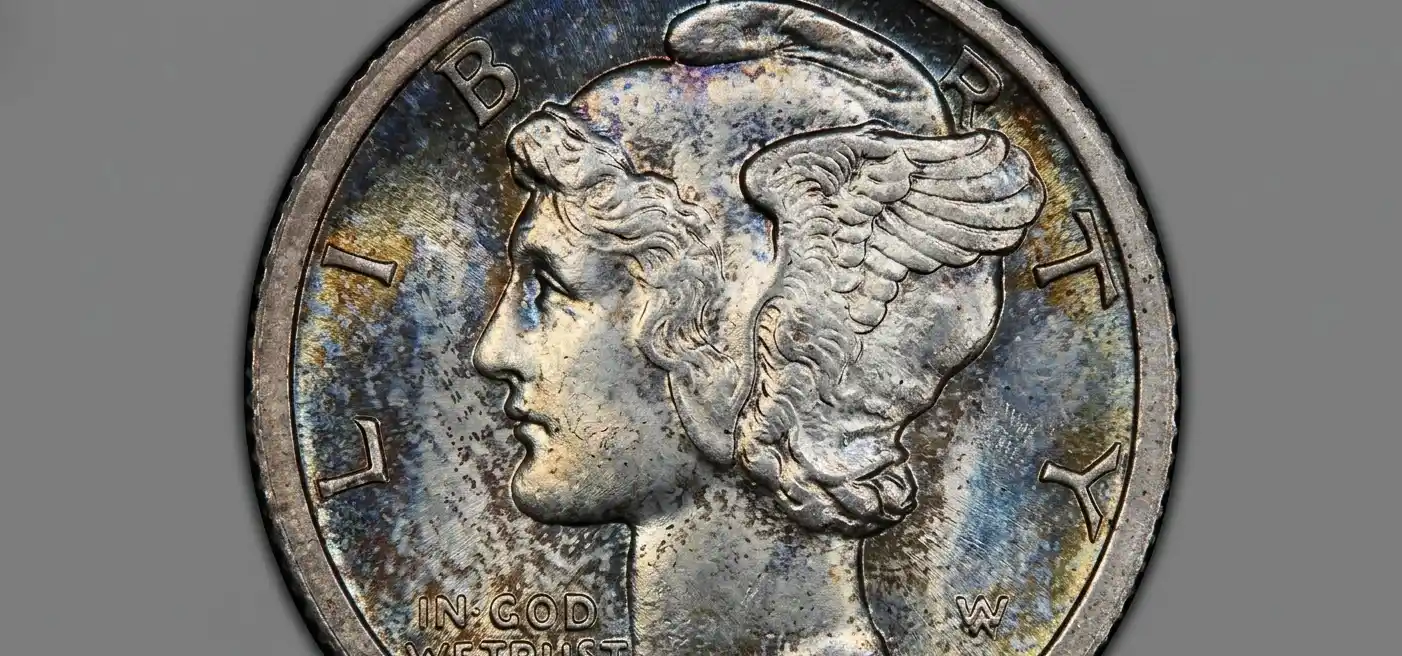
| Parameter | Value |
| Mass | 2.50 grams |
| Metal Content | 90% Silver, 10% Copper |
| Diameter | 17.91 mm |
| Edge | Reeded |
| Mint Mark | Denver (D symbol) |
| Total Mintage | 264,000 units |
Historical Factors of Rarity
Denver Mint production cycles in late 1916 faced heavy backlogs for other denominations.
Orders for ten-cent pieces arrived last in the production queue.
Dies bearing the D mark operated for an extremely narrow window of time.
Most units entered circulation within the Western United States.
Harsh conditions in rural areas accelerated the wear of the soft Silver alloy.
Scarcity of high-grade specimens stems directly from this rapid circulation.
Survival Statistics Based on Registry Data
Professional certification by PCGS and NGC allows for tracking surviving units.
- Estimated total surviving population → 10,000 — 15,000 units
- Specimens graded above MS-60 → fewer than 600 units
- Coins featuring Full Bands on the reverse → 115 units
Market supply on open exchanges decreased by 12% over the last five years.
| Grade | 2016 Price | 2021 Price | 2026 Price |
| AG-3 | $600 | $850 | $1,100 |
| F-12 | $2,400 | $3,200 | $4,500 |
| EF-40 | $6,500 | $8,800 | $12,000 |
| MS-63 | $18,000 | $24,500 | $31,000 |
| MS-65 Full Bands | $120,000 | $165,000 | $210,000 |
Record pricing stands at $207,000 for an MS-67 specimen.
Annual growth for low-grade units fluctuates between 4% and 6%.
High-grade coins demonstrate returns ranging from 9% to 11% annually.
Authenticity Verification Protocols
High prices trigger a high volume of fakes created by adding mint marks.
Key indicators of an original Denver D include:
- Position → located left of the olive branch stem.
- Geometry → rectangular internal corners of the letter.
- Surface → absence of soldering marks around the symbol.
- Die Cracks → alignment with known master die patterns.
Using the best coin identifier app testing confirms the Silver and Copper ratio matches 1916 standards.
Spectral analysis identifies specific impurities found in Colorado ore from the early 20th century.
Impact of Full Bands on Liquidity
Sharp strikes on the central bands of the fasces serve as the primary price driver.
Visible separation between horizontal lines indicates maximum pressure during minting.
Price gaps between standard MS-64 and MS-64 Full Bands reach 150%.
Only 1.2% of graded units possess this specific strike characteristic.
Investment Risks and Preservation
Increased air humidity causes dark toning on the Silver surface.
Chemical cleaning reduces market value by 50% to 70% immediately.
Recommended storage conditions:
- Usage of inert plastic holders.
- Temperature maintained at 20 degrees Celsius.
- Humidity levels below 35%.
Investment horizons for this asset span 10 to 15 years.
Short-term trading yields poor results due to high auction house commissions.
Comparative Analysis with Peers
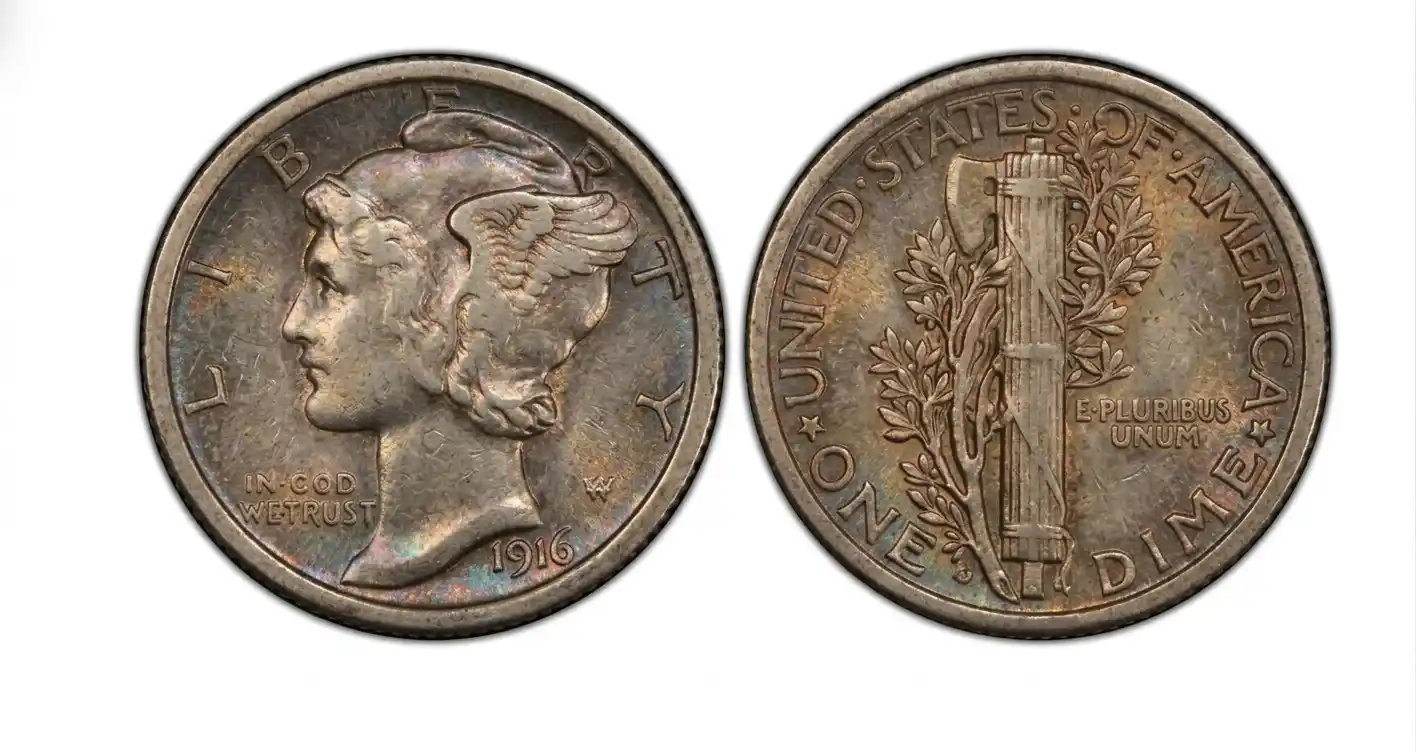
The 1916-D piece exceeds other key dates in the series regarding scarcity.
Mintage comparison of rare ten-cent dates:
- 1921 Philadelphia → 1,230,000 units
- 1921-D Denver → 1,080,000 units
- 1916-D Denver → 264,000 units
Production gaps between the 1916-D and the next rarest date exceed 400%.
Such disparity ensures the coin retains its status as the series key.
Price Formation Mechanics
Demand exceeding supply → price increase.
New high-grade listings → temporary stabilization of competing lots.
Anyway, it’s always better to use the Coin ID Scanner to know the price for sure.
Finding new hoards in 2026 remains highly improbable.
Geological conditions in Colorado do not preserve Silver in soil without damage.